Buy last-minute-hotels.eu ?
We are moving the project
last-minute-hotels.eu .
Are you interested in purchasing the domain
last-minute-hotels.eu ?
domain@kv-gmbh.de · 0541-91531010
Buy last-minute-hotels.eu ?
Are last-minute vacations worth it?
Last-minute vacations can be worth it if you are flexible and open to spontaneous travel. You may be able to find great deals on flights and accommodations, especially if you are willing to be flexible with your destination and travel dates. However, last-minute vacations can also be stressful and may not always offer the best options for activities and accommodations. It ultimately depends on your preferences and willingness to take on the uncertainty of last-minute planning. **
Is "ins" one word?
Yes, "ins" is considered one word. It is a shortened form of the word "inspector" or "insurance" and is commonly used in informal or slang language. **
Similar search terms for Check-ins
Top-Angebote
Products related to Check-ins:
-
Plus Size Women's French Check Shirt by Roaman's in Black Check (Size 26 W)We love everything about this stylish tie-sleeve style. Featuring a pointed collar, button-front design and slightly puffed sleeves, it's a femme upgrade to your shirt collection. Shirttail hem. Part of our Big Shirt collection and designed in a...26,99 $*Shipping: 0,00 $Secure redirect to the provider


-
Why "im" and not "ins"?
The use of "im" instead of "ins" is due to the different prepositions used in the German language. "Im" is a contraction of "in dem," which means "in the" in English. It is used to indicate location or position within a specific place or object. On the other hand, "ins" is a contraction of "in das," which also means "in the" in English, but it is used when referring to movement or direction into a specific place or object. Therefore, the choice between "im" and "ins" depends on whether the context requires indicating location or movement. **
-
What questions are there about check-in and check-out in hotels?
Some common questions about check-in and check-out in hotels include: What time is check-in and check-out? Is early check-in or late check-out available? What forms of identification or payment are required at check-in? Are there any additional fees or deposits required at check-in? Can I store my luggage before check-in or after check-out? Can I request a room preference at check-in? These are just a few examples, but the specific questions may vary depending on the hotel and the guest's individual needs. **
-
Can you check in to hotels spontaneously?
Yes, you can check in to hotels spontaneously, as long as there are available rooms. Many hotels welcome walk-in guests and will accommodate them if there are vacancies. However, during peak travel seasons or in popular tourist destinations, it's always a good idea to call ahead or make a reservation to ensure there will be a room available. Keep in mind that some hotels may offer last-minute deals for spontaneous travelers. **
-
Do you have experience with last-minute vacations?
As an AI language model, I do not have personal experiences. However, I can provide information and tips on planning last-minute vacations. If you need assistance with finding last-minute deals, destinations, or accommodations, feel free to ask! **

What does "Licht ins Auge" mean?
"Licht ins Auge" is a German phrase that translates to "light in the eye" in English. It is often used metaphorically to describe a sudden realization or understanding of something, as if a light has been shone on a previously unclear situation. This expression is commonly used to convey the idea of gaining insight or clarity on a particular matter. **
What does 'ins Wesenlose abschwenken' mean?
'Ins Wesenlose abschwenken' is a German phrase that translates to 'to drift into nothingness' in English. It refers to the act of losing focus or direction, becoming detached from reality, or entering a state of emptiness or meaninglessness. It can be used to describe a situation where someone is disconnected from their surroundings or thoughts, leading to a sense of aimlessness or disorientation. **
Top-Angebote
Products related to Check-ins:
-
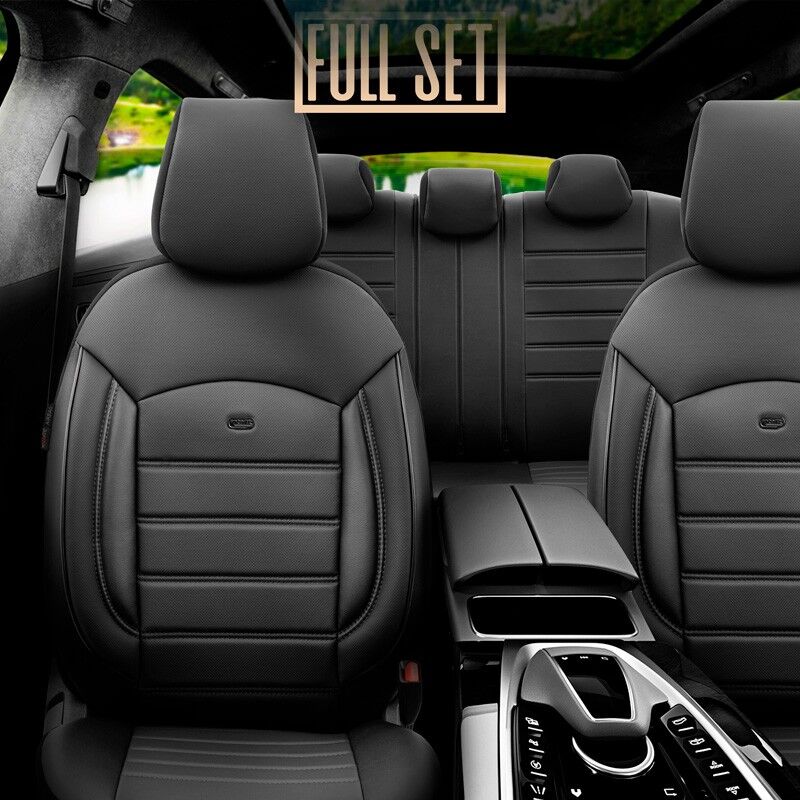
Otom INS-3501 Seat coverUniversal: Yes; Product line: Inspire; Colour: black; Number of Parts [parts]: 11; Airbag: for side airbag; Adjustable headrest: Yes; Features: orthopaedic; Chemical Properties: UV resistant; Material: Synthetic leather; Seat feature compatibility: airbag compatible; Fitting Position: Front and Rear; Quantity: 1+; Number of seats: 1114,99 £*Shipping: 1,99 £Secure redirect to the provider
-
Plus Size Women's French Check Shirt by Roaman's in Black Check (Size 26 W)We love everything about this stylish tie-sleeve style. Featuring a pointed collar, button-front design and slightly puffed sleeves, it's a femme upgrade to your shirt collection. Shirttail hem. Part of our Big Shirt collection and designed in a...26,99 $*Shipping: 0,00 $Secure redirect to the provider
-
Are last-minute vacations worth it?
Last-minute vacations can be worth it if you are flexible and open to spontaneous travel. You may be able to find great deals on flights and accommodations, especially if you are willing to be flexible with your destination and travel dates. However, last-minute vacations can also be stressful and may not always offer the best options for activities and accommodations. It ultimately depends on your preferences and willingness to take on the uncertainty of last-minute planning. **
-
Is "ins" one word?
Yes, "ins" is considered one word. It is a shortened form of the word "inspector" or "insurance" and is commonly used in informal or slang language. **
-
Why "im" and not "ins"?
The use of "im" instead of "ins" is due to the different prepositions used in the German language. "Im" is a contraction of "in dem," which means "in the" in English. It is used to indicate location or position within a specific place or object. On the other hand, "ins" is a contraction of "in das," which also means "in the" in English, but it is used when referring to movement or direction into a specific place or object. Therefore, the choice between "im" and "ins" depends on whether the context requires indicating location or movement. **
-
What questions are there about check-in and check-out in hotels?
Some common questions about check-in and check-out in hotels include: What time is check-in and check-out? Is early check-in or late check-out available? What forms of identification or payment are required at check-in? Are there any additional fees or deposits required at check-in? Can I store my luggage before check-in or after check-out? Can I request a room preference at check-in? These are just a few examples, but the specific questions may vary depending on the hotel and the guest's individual needs. **
Similar search terms for Check-ins
-
Can you check in to hotels spontaneously?
Yes, you can check in to hotels spontaneously, as long as there are available rooms. Many hotels welcome walk-in guests and will accommodate them if there are vacancies. However, during peak travel seasons or in popular tourist destinations, it's always a good idea to call ahead or make a reservation to ensure there will be a room available. Keep in mind that some hotels may offer last-minute deals for spontaneous travelers. **
-
Do you have experience with last-minute vacations?
As an AI language model, I do not have personal experiences. However, I can provide information and tips on planning last-minute vacations. If you need assistance with finding last-minute deals, destinations, or accommodations, feel free to ask! **
-
What does "Licht ins Auge" mean?
"Licht ins Auge" is a German phrase that translates to "light in the eye" in English. It is often used metaphorically to describe a sudden realization or understanding of something, as if a light has been shone on a previously unclear situation. This expression is commonly used to convey the idea of gaining insight or clarity on a particular matter. **
-
What does 'ins Wesenlose abschwenken' mean?
'Ins Wesenlose abschwenken' is a German phrase that translates to 'to drift into nothingness' in English. It refers to the act of losing focus or direction, becoming detached from reality, or entering a state of emptiness or meaninglessness. It can be used to describe a situation where someone is disconnected from their surroundings or thoughts, leading to a sense of aimlessness or disorientation. **
* All prices are inclusive of VAT and, if applicable, plus shipping costs. The offer information is based on the details provided by the respective shop and is updated through automated processes. Real-time updates do not occur, so deviations can occur in individual cases. ** Note: Parts of this content were created by AI.