Buy last-minute-hotels.eu ?
We are moving the project
last-minute-hotels.eu .
Are you interested in purchasing the domain
last-minute-hotels.eu ?
domain@kv-gmbh.de · 0541-91531010
Buy last-minute-hotels.eu ?
Are last-minute vacations worth it?
Last-minute vacations can be worth it if you are flexible and open to spontaneous travel. You may be able to find great deals on flights and accommodations, especially if you are willing to be flexible with your destination and travel dates. However, last-minute vacations can also be stressful and may not always offer the best options for activities and accommodations. It ultimately depends on your preferences and willingness to take on the uncertainty of last-minute planning. **
How long does the timing chain last?
Timing chains are designed to last the lifetime of the vehicle. However, they can wear out over time due to factors such as lack of maintenance, poor lubrication, or excessive wear and tear. In general, a timing chain can last anywhere from 100,000 to 200,000 miles or more, but it is always recommended to follow the manufacturer's recommended maintenance schedule to ensure optimal performance and longevity. **

Similar search terms for Timing
Top-Angebote
Products related to Timing:
-
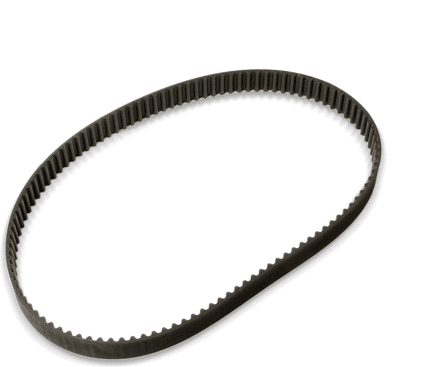
BANDO 192S8M30 Timing BeltNumber of Teeth: 192; Width [mm]: 30; Engine Code: K8, KL, KL / EGI, KL / EGI DOHC, KF, KF / EGI, KL EGI, KF / EGI DOHC; Driven Units: Camshaft; Construction Year to: 12/1995, 03/1999, 08/1998, 08/2002; Construction Year from: 01/1996, 01/1993, 02/1994, 01/1994, 07/1996, 10/199432,99 £*Shipping: 8,45 £Secure redirect to the provider
-
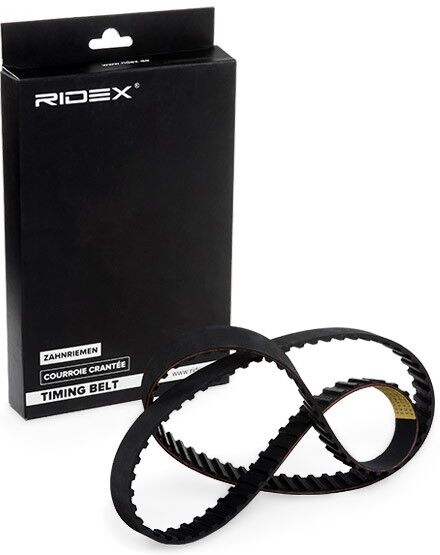
RIDEX 306T0224 Timing BeltNumber of Teeth: 108; Length [mm]: 1029; Width [mm]: 19; Belts: with trapezoidal tooth profile; Construction Year to: 07/1983, 08/1990, 10/1990, 07/1979, 12/1983, 07/1992, 12/1988, 07/1985; TecDoc Engine Number: 4131, 4136, 4964, 4003, 4971, 4093, 5012, 5011; Vehicle type: <86,87>, <80>; Construction Year from: 01/1990, 10/1990, 08/1980, 08/1985; Engine Number to: AAU 015 867, HZ 786 022, PY 002 1775,99 £*Shipping: 8,45 £Secure redirect to the provider



-
When was the last timing belt replacement?
I'm sorry, but I don't have access to specific vehicle maintenance records. It's important to consult the vehicle's service history or contact a mechanic to determine the last timing belt replacement. Timing belt replacements are typically recommended every 60,000 to 100,000 miles, but it's best to follow the manufacturer's guidelines for your specific vehicle. Regular maintenance and timely replacement of the timing belt are crucial to prevent engine damage and ensure the vehicle's longevity. **
-
Which cars have timing belts or timing chains?
Most modern cars have timing chains, which are more durable and require less maintenance than timing belts. However, some older or high-performance vehicles may still have timing belts. It is important to check your vehicle's manual or consult with a mechanic to determine whether your car has a timing belt or timing chain, as the replacement intervals and maintenance requirements differ between the two. **
-
Do you have experience with last-minute vacations?
As an AI language model, I do not have personal experiences. However, I can provide information and tips on planning last-minute vacations. If you need assistance with finding last-minute deals, destinations, or accommodations, feel free to ask! **
-
Does Audi have a timing belt or timing chain?
Audi typically uses timing chains in their engines rather than timing belts. Timing chains are more durable and longer-lasting than timing belts, which need to be replaced at regular intervals. This means Audi owners do not have to worry about replacing the timing chain as often as they would a timing belt. **

Timing chain or timing belt in the Toyota Yaris?
The Toyota Yaris typically comes equipped with a timing chain rather than a timing belt. Timing chains are known for their durability and longevity compared to timing belts, which need to be replaced at regular intervals. This means that Yaris owners do not have to worry about the timing chain breaking or needing frequent maintenance like they would with a timing belt. Overall, the timing chain in the Toyota Yaris provides a more reliable and low-maintenance option for drivers. **
Which lasts longer, a timing chain or a timing belt?
A timing chain typically lasts longer than a timing belt. Timing chains are made of metal and are designed to be more durable and long-lasting. They are often used in heavier-duty engines and are less prone to stretching or breaking compared to timing belts. Timing belts are made of rubber and need to be replaced at regular intervals, usually every 60,000 to 100,000 miles, while timing chains can last the lifetime of the engine if properly maintained. **
Top-Angebote
Products related to Timing:
-
Dranda Games Board Game Accommodations Expansion 2 - Asymmetric ModulesExpand your Galactic Cruise experience with the Accommodations expansion. Introduces modules for guest experience, teamwork, and luxury development. Designed for base game play. Includes multiple asymmetric modules.19,95 £*Shipping: 3,95 £Secure redirect to the provider
-
CONTITECH CT1159 Timing BeltNumber of Teeth: 171; Packaging length [cm]: 25,5; Packaging width [cm]: 16; Packaging height [cm]: 3; Weight [kg]: 0,237; Width [mm]: 25; Tooth Pitch [mm]: 9,525; Vehicle type: Hover H5, Haval H5, Wingle 5, Steed 5, Steed 6; Driven Units: Camshaft; Construction Year from: 11/2014, 01/2022, 01/2013; Emissions Standard: Euro 6; Construction Year to: 01/202229,49 £*Shipping: 8,45 £Secure redirect to the provider
-
BANDO 192S8M30 Timing BeltNumber of Teeth: 192; Width [mm]: 30; Engine Code: K8, KL, KL / EGI, KL / EGI DOHC, KF, KF / EGI, KL EGI, KF / EGI DOHC; Driven Units: Camshaft; Construction Year to: 12/1995, 03/1999, 08/1998, 08/2002; Construction Year from: 01/1996, 01/1993, 02/1994, 01/1994, 07/1996, 10/199432,99 £*Shipping: 8,45 £Secure redirect to the provider
-
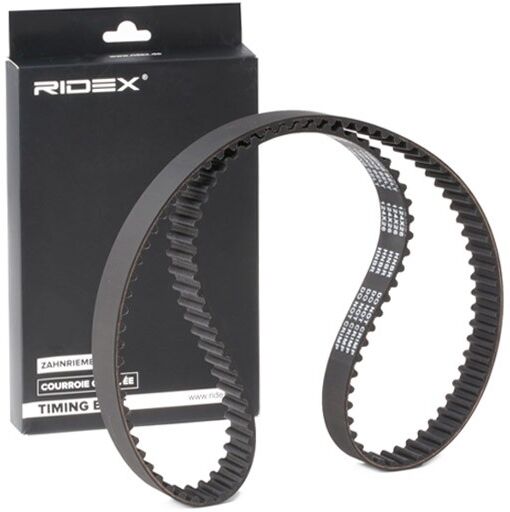
RIDEX 306T0224 Timing BeltNumber of Teeth: 108; Length [mm]: 1029; Width [mm]: 19; Belts: with trapezoidal tooth profile; Construction Year to: 07/1983, 08/1990, 10/1990, 07/1979, 12/1983, 07/1992, 12/1988, 07/1985; TecDoc Engine Number: 4131, 4136, 4964, 4003, 4971, 4093, 5012, 5011; Vehicle type: <86,87>, <80>; Construction Year from: 01/1990, 10/1990, 08/1980, 08/1985; Engine Number to: AAU 015 867, HZ 786 022, PY 002 1775,99 £*Shipping: 8,45 £Secure redirect to the provider
-
Are last-minute vacations worth it?
Last-minute vacations can be worth it if you are flexible and open to spontaneous travel. You may be able to find great deals on flights and accommodations, especially if you are willing to be flexible with your destination and travel dates. However, last-minute vacations can also be stressful and may not always offer the best options for activities and accommodations. It ultimately depends on your preferences and willingness to take on the uncertainty of last-minute planning. **
-
How long does the timing chain last?
Timing chains are designed to last the lifetime of the vehicle. However, they can wear out over time due to factors such as lack of maintenance, poor lubrication, or excessive wear and tear. In general, a timing chain can last anywhere from 100,000 to 200,000 miles or more, but it is always recommended to follow the manufacturer's recommended maintenance schedule to ensure optimal performance and longevity. **
-
When was the last timing belt replacement?
I'm sorry, but I don't have access to specific vehicle maintenance records. It's important to consult the vehicle's service history or contact a mechanic to determine the last timing belt replacement. Timing belt replacements are typically recommended every 60,000 to 100,000 miles, but it's best to follow the manufacturer's guidelines for your specific vehicle. Regular maintenance and timely replacement of the timing belt are crucial to prevent engine damage and ensure the vehicle's longevity. **
-
Which cars have timing belts or timing chains?
Most modern cars have timing chains, which are more durable and require less maintenance than timing belts. However, some older or high-performance vehicles may still have timing belts. It is important to check your vehicle's manual or consult with a mechanic to determine whether your car has a timing belt or timing chain, as the replacement intervals and maintenance requirements differ between the two. **
Similar search terms for Timing
-
RIDEX 306T0235 Timing BeltTensile Cord Material: Fiberglass; Material: HNBR (hydrogenated nitrile butadiene rubber); Colour: black; Number of Teeth: 103; Width [mm]: 26,5; Tooth Pitch [mm]: 9,525; Length [mm]: 981; Construction Year to: 12/2011, 06/2013, 11/2011; Driven Units: Camshaft15,49 £*Shipping: 8,45 £Secure redirect to the provider
-
Do you have experience with last-minute vacations?
As an AI language model, I do not have personal experiences. However, I can provide information and tips on planning last-minute vacations. If you need assistance with finding last-minute deals, destinations, or accommodations, feel free to ask! **
-
Does Audi have a timing belt or timing chain?
Audi typically uses timing chains in their engines rather than timing belts. Timing chains are more durable and longer-lasting than timing belts, which need to be replaced at regular intervals. This means Audi owners do not have to worry about replacing the timing chain as often as they would a timing belt. **
-
Timing chain or timing belt in the Toyota Yaris?
The Toyota Yaris typically comes equipped with a timing chain rather than a timing belt. Timing chains are known for their durability and longevity compared to timing belts, which need to be replaced at regular intervals. This means that Yaris owners do not have to worry about the timing chain breaking or needing frequent maintenance like they would with a timing belt. Overall, the timing chain in the Toyota Yaris provides a more reliable and low-maintenance option for drivers. **
-
Which lasts longer, a timing chain or a timing belt?
A timing chain typically lasts longer than a timing belt. Timing chains are made of metal and are designed to be more durable and long-lasting. They are often used in heavier-duty engines and are less prone to stretching or breaking compared to timing belts. Timing belts are made of rubber and need to be replaced at regular intervals, usually every 60,000 to 100,000 miles, while timing chains can last the lifetime of the engine if properly maintained. **
* All prices are inclusive of VAT and, if applicable, plus shipping costs. The offer information is based on the details provided by the respective shop and is updated through automated processes. Real-time updates do not occur, so deviations can occur in individual cases. ** Note: Parts of this content were created by AI.